Fluffy Buttermilk Pancakes for Light Morning Stacks
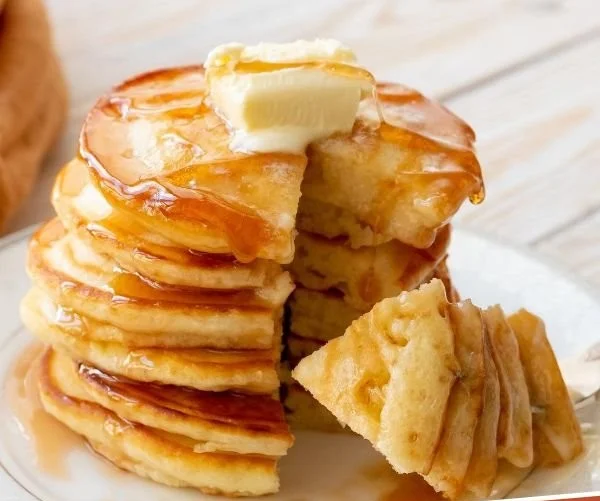
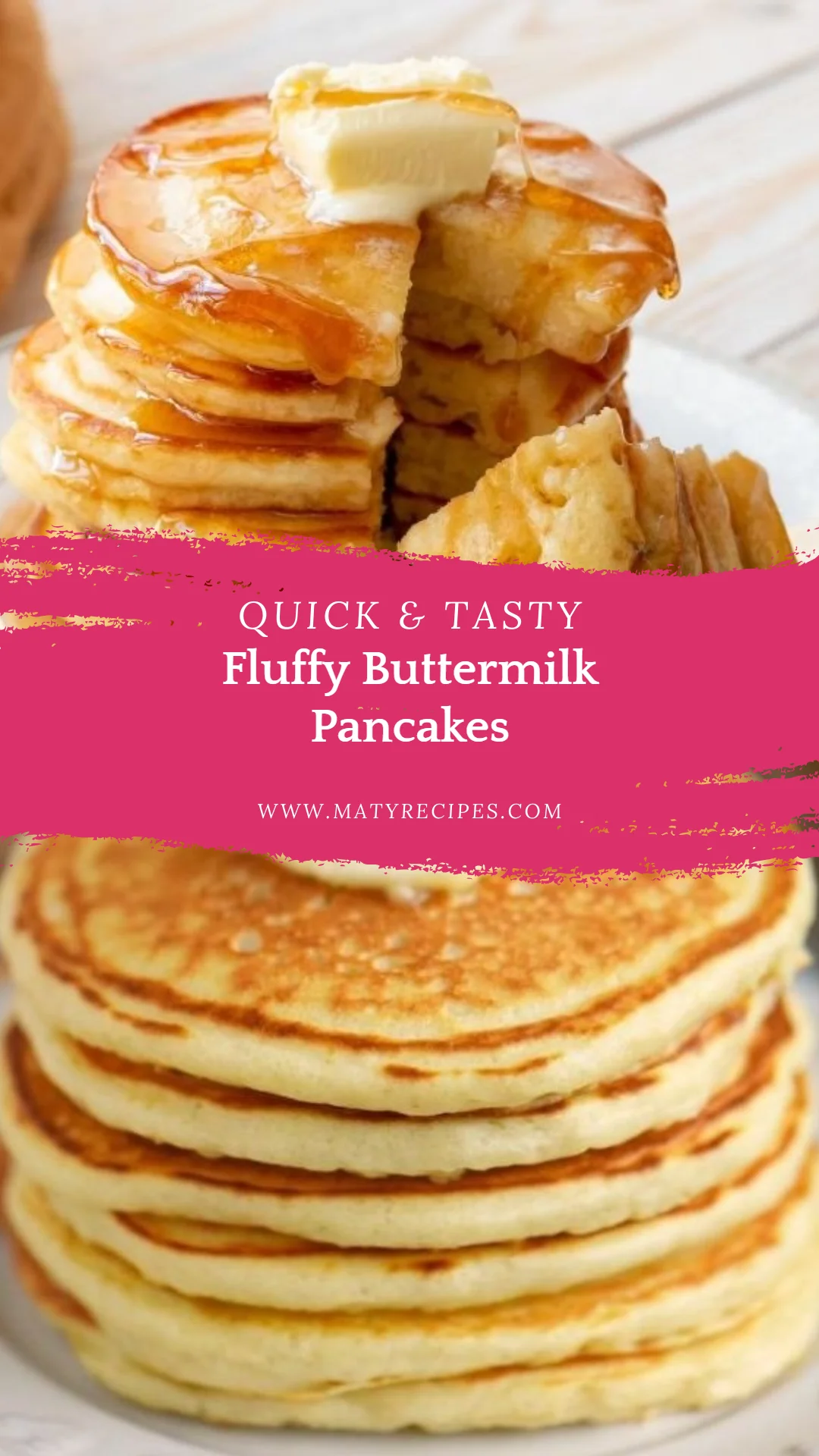
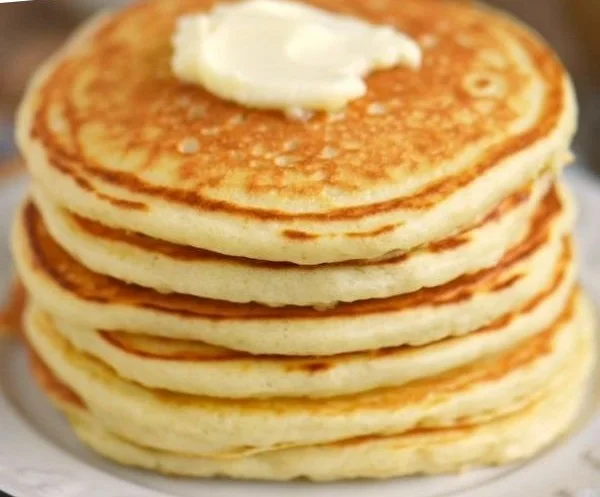
Fluffy Buttermilk Pancakes are tender, airy breakfast pancakes made with buttermilk, baking powder, baking soda, and butter.
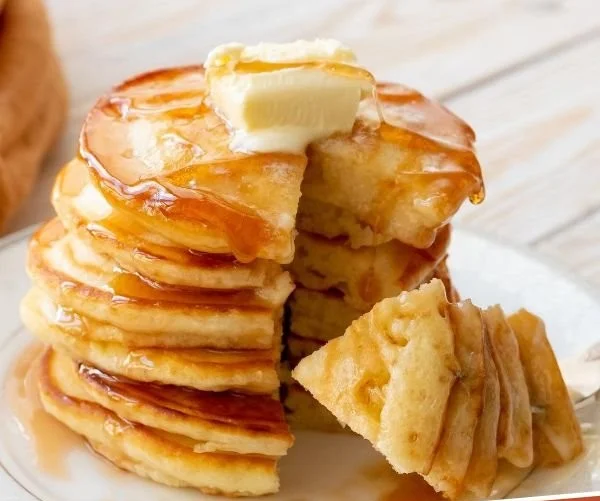
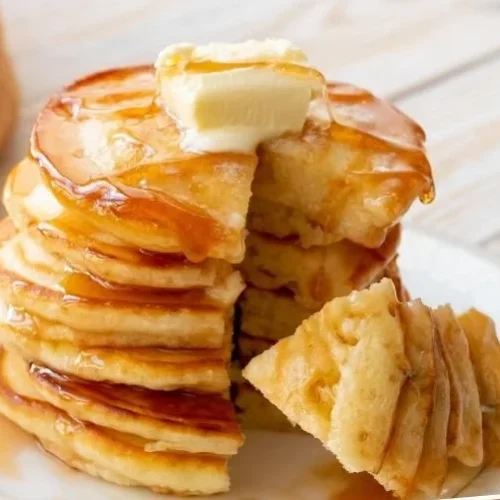
This classic skillet recipe yields golden, cloudlike pancakes that pair perfectly with butter and warm maple syrup for serving.
Explore a related recipe by checking the French Toast Pancakes recipe for another sweet breakfast twist.
| Prep Time | Cook Time | Total Time | Servings | Difficulty | Cuisine |
|---|---|---|---|---|---|
| 10 minutes | 10 minutes | 20 minutes | 3 servings | Easy | American |
Why This Recipe Works
Fluffy Buttermilk Pancakes succeed because the buttermilk acid reacts with baking soda to create lift and tender crumb.
I learned this combination through repeated batches that balance leavening and liquid for consistent rise and texture every time.
The small amount of baking powder in the recipe gives immediate lift while the soda activates with buttermilk for extra fluffiness.
I often compare techniques and texture against other breakfast favorites, and I adapt small changes to improve browning and interior softness.
Scientific discussion of how leavening affects batter structure is available at Serious Eats for those wanting deeper explanation Serious Eats.
I sometimes adapt this batter to make beignet-style treats similar to the Glazed Buttermilk Beignet Squares for brunch routines.
Ingredients
Fluffy Buttermilk Pancakes require simple pantry ingredients and fresh buttermilk for optimal rise and flavor.
| Ingredient | Quantity | Notes with alternatives |
|---|---|---|
| All-purpose flour | 1 cup | Measure by spooning into cup; alternative whole wheat adds nuttiness and denser crumb. |
| Sugar | 2 tablespoons | Use granulated sugar; brown sugar adds caramel notes and slightly more moisture. |
| Baking powder | 1 teaspoon | Provides initial lift; ensure freshness or replace with a bit more baking soda if inactive. |
| Baking soda | 1/2 teaspoon | Activates with buttermilk acid for extra rise; required for proper browning and interior texture. |
| Salt | 1/4 teaspoon | Enhances flavor balance; reduce for low-sodium diets but expect flatter taste. |
| Buttermilk | 1 cup | Use full-fat buttermilk for best flavor; mix 1 cup milk with 1 tbsp lemon juice as substitute. |
| Large egg | 1 | Provides structure and moisture; egg replacer may alter lift and texture. |
| Melted butter | 2 tablespoons | Use melted butter for richness; neutral oil keeps tenderness but reduces buttery flavor. |
| Butter for cooking | As needed | Use butter for browning and flavor; nonstick spray or oil can reduce sticking. |
| Maple syrup | For serving | Pure maple syrup recommended; honey or fruit compote are flavorful alternatives. |
Step-by-Step Instructions
Follow the numbered steps to mix, rest, and cook the batter for consistent fluffy pancakes.
Prepare dry ingredients
- Whisk together flour, sugar, baking powder, baking soda, and salt in a bowl until combined.
Mix wet ingredients
- Combine buttermilk, egg, and melted butter in another bowl, whisking until the mixture is smooth and uniform.
Combine batter
- Pour the wet ingredients into the dry ingredients and gently mix until just combined with a few lumps remaining.
Heat the skillet
- Heat a non-stick skillet or griddle over medium heat and add a little butter to coat the surface.
Portion batter
- Pour approximately one-quarter cup of batter onto the preheated skillet for each pancake to keep sizes uniform.
Cook pancakes
- Cook until bubbles form on the surface and edges look set, then flip and cook until golden brown on the other side.
Serve
- Serve warm with pats of butter and a generous drizzle of maple syrup for immediate enjoyment.
Chef Tips for Perfect Results
Fluffy Buttermilk Pancakes reach their best texture when you control batter thickness, cook temperature, and timing precisely.
- Measure flour by spooning and leveling to prevent dense pancakes caused by too much flour in the batter.
- Mix the batter gently and stop when small lumps remain to avoid gluten development that makes pancakes chewy.
- Preheat the skillet thoroughly and test with a drop of batter to ensure medium heat without smoking the butter.
- Let melted butter cool slightly before mixing to avoid scrambling the egg when combining wet ingredients.
- Keep cooked pancakes warm on a low oven rack while finishing the batch to maintain texture and serve together.
- Use room-temperature buttermilk and egg to help the batter combine smoothly and reduce cooking inconsistencies.
King Arthur Baking provides useful technique notes on mixing and leavening for home bakers seeking more detail King Arthur Baking.
Common Mistakes to Avoid
Avoid these common mistakes to ensure tall, tender pancakes instead of dense or flat results.
- Overmixing the batter causes gluten to develop and leads to tough pancakes; fix by folding the wet and dry ingredients until just combined.
- Using an overly hot skillet browns the exterior while leaving the center undercooked; fix by lowering heat and adjusting cook time slightly.
- Measuring flour by scooping directly from the bag adds excess flour and dries the batter; fix by spooning flour into the cup and leveling.
- Skipping the leavening freshness check results in flat pancakes; fix by testing baking powder and baking soda or replacing them regularly.
- Pouring inconsistent batter sizes yields uneven cooking and texture; fix by using a measuring cup for uniform pancake portions.
Variations and Substitutions
Use these variations and substitutions to customize the pancakes while preserving lift and flavor consistently.
| Ingredient | Substitution | Impact on Flavor |
|---|---|---|
| Buttermilk | Milk plus 1 tbsp lemon juice or vinegar | Maintains acidity for leavening but produces slightly less tangy flavor. |
| All-purpose flour | Whole wheat flour (50% substitution) | Adds nuttiness and denser crumb; reduce mixing and add extra liquid if batter thickens. |
| Sugar | Honey or maple syrup (adjust liquids) | Introduces additional moisture and distinct sweetness notes altering browning and final texture. |
| Melted butter | Neutral oil like canola | Preserves tenderness but reduces buttery aroma and browning richness. |
| Egg | Flax egg or commercial egg replacer | Vegan option that may reduce lift and alter crumb structure slightly. |
Serving Suggestions and Pairings
Serve these pancakes warm with classic maple syrup, berry compote, or savory sides for balanced breakfasts.
Pair with crisp bacon, turkey sausage links, or a citrus fruit salad for textural and flavor contrast at brunch gatherings.
Pair with a citrus-simmered compote and consult the French Toast Pancakes recipe for a complementary flavor idea.
Present these pancakes for Mother’s Day brunch, weekend breakfasts, holiday mornings, or casual weekend gatherings with friends and family.
Storage and Reheating
Store cooked pancakes properly to maintain texture and reheat them safely for later enjoyment easily.
| Method | Duration | Instructions |
|---|---|---|
| Refrigerator | Up to 2 days | Cool completely, stack with parchment between pancakes, store in airtight container, reheat in skillet or oven. |
| Freezer | Up to 2 months | Flash-freeze in single layer, transfer to freezer bag, reheat directly from frozen in toaster or oven. |
| Reheat (oven) | 5-10 minutes | Preheat oven to 350°F, place pancakes on rack in single layer, warm until heated through and edges crisp. |
| Reheat (microwave) | 20-40 seconds | Stack two pancakes with damp paper towel, microwave briefly in short intervals to avoid rubbery texture. |
Nutritional Information
Find approximate nutritional values per serving for these pancakes to guide portioning and dietary choices.
| Nutrient | Amount per Serving |
|---|---|
| Calories | Approximate values: 300 kcal |
| Total Fat | Approximate values: 12 g |
| Saturated Fat | Approximate values: 6 g |
| Carbohydrates | Approximate values: 40 g |
| Sugar | Approximate values: 6 g |
| Protein | Approximate values: 6 g |
| Sodium | Approximate values: 300 mg |
| Fiber | Approximate values: 1 g |
Frequently Asked Questions
Can I substitute regular milk for buttermilk in pancakes?
Yes, you can substitute regular milk by adding an acid to mimic buttermilk’s acidity for leavening.
Mix one cup milk with one tablespoon lemon juice or vinegar, let it sit five minutes before using in the batter.
How do I know when pancakes are done cooking?
Cook pancakes until bubbles form on the surface and the edges look set before flipping for consistent doneness.
After flipping, cook until the second side achieves a golden brown color and the interior springs back slightly when touched.
Why did my pancakes turn out flat and dense, and how can I fix them?
Flat, dense pancakes typically result from expired leavening or overmixing the batter that develops gluten.
Fix this by using fresh baking powder and soda, mixing gently, and ensuring correct batter thickness before cooking.
Can I make the batter ahead of time and store it overnight?
Yes, you can refrigerate the batter for a short period, but best results come from cooking within two hours of mixing.
Storable batter may lose some lift due to leavening activation, so gently whisk before cooking and expect slightly different texture.
What are ideal serving ideas for a pancake brunch?
Serve pancakes with warm maple syrup, berry compote, whipped cream, or savory sides like bacon and eggs for balance.
Offer citrus or yogurt parfaits for lighter contrast and consider a coffee or tea pairing to complete the brunch menu.
Conclusion
Fluffy Buttermilk Pancakes deliver reliable, tender results by balancing buttermilk acidity, leavening, and gentle mixing for optimal lift.
Follow the steps and chef tips provided, customize with variations, and serve warm topped with butter and maple syrup for signature flavor.
Fluffy Buttermilk Pancakes
Ingredients
Dry Ingredients
- 1 cup All-purpose flour Measure by spooning into cup; alternative whole wheat adds nuttiness and denser crumb.
- 2 tablespoons Sugar Use granulated sugar; brown sugar adds caramel notes and slightly more moisture.
- 1 teaspoon Baking powder Provides initial lift; ensure freshness or replace with a bit more baking soda if inactive.
- 1/2 teaspoon Baking soda Activates with buttermilk acid for extra rise; required for proper browning and interior texture.
- 1/4 teaspoon Salt Enhances flavor balance; reduce for low-sodium diets but expect flatter taste.
Wet Ingredients
- 1 cup Buttermilk Use full-fat buttermilk for best flavor; mix 1 cup milk with 1 tbsp lemon juice as substitute.
- 1 Large egg Provides structure and moisture; egg replacer may alter lift and texture.
- 2 tablespoons Melted butter Use melted butter for richness; neutral oil keeps tenderness but reduces buttery flavor.
For Cooking and Serving
- As needed Butter for cooking Use butter for browning and flavor; nonstick spray or oil can reduce sticking.
- For serving Maple syrup Pure maple syrup recommended; honey or fruit compote are flavorful alternatives.
Instructions
Preparation
- Whisk together flour, sugar, baking powder, baking soda, and salt in a bowl until combined.
- Combine buttermilk, egg, and melted butter in another bowl, whisking until the mixture is smooth and uniform.
- Pour the wet ingredients into the dry ingredients and gently mix until just combined with a few lumps remaining.
Cooking
- Heat a non-stick skillet or griddle over medium heat and add a little butter to coat the surface.
- Pour approximately one-quarter cup of batter onto the preheated skillet for each pancake to keep sizes uniform.
- Cook until bubbles form on the surface and edges look set, then flip and cook until golden brown on the other side.
Serving
- Serve warm with pats of butter and a generous drizzle of maple syrup for immediate enjoyment.