The Best Buttermilk Fried Chicken for Crispy Results
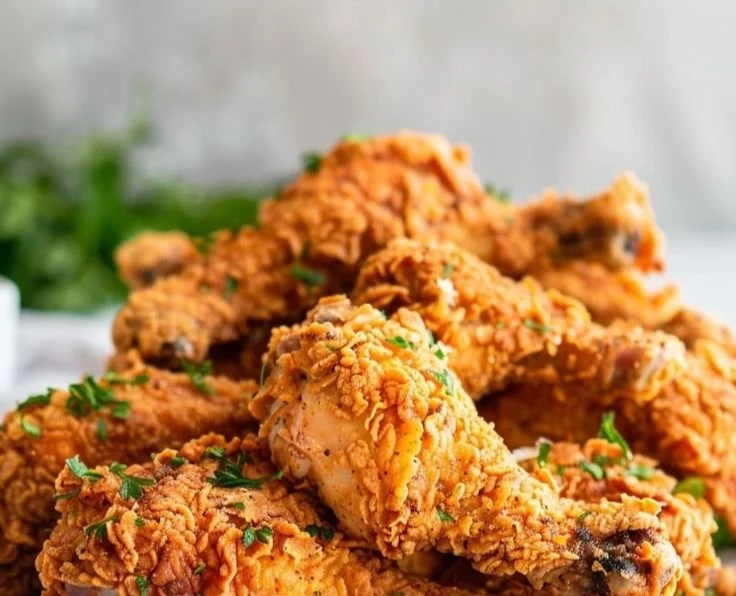
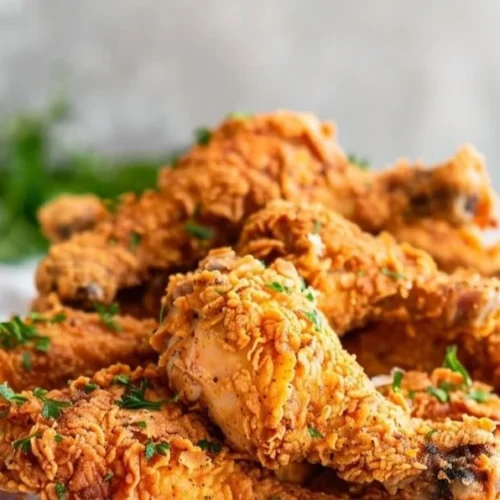
The Best Buttermilk Fried Chicken is a classic Southern-style fried chicken marinated in tangy buttermilk and seasoned for crisp, flavorful results.
This recipe produces golden, crunchy skin and juicy meat through a long buttermilk soak and a seasoned flour dredge. For a contrasting oven option, try my caramelized BBQ chicken thighs for a sticky, roasted flavor profile.
| Prep Time | Cook Time | Total Time | Servings | Difficulty | Cuisine |
|---|---|---|---|---|---|
| 15 minutes (plus 1 hour to overnight marinate) | 30–40 minutes (frying in batches) | 1 hour 45 minutes to overnight | 4 | Medium | Southern American |

Why This Recipe Works
This recipe works because the buttermilk marinade tenderizes the chicken while the seasoned flour creates a deeply flavored, crunchy crust.
I have tested multiple soak times and found that at least one hour produces tender meat, but overnight yields the most consistent juiciness. The flour blend with baking powder delivers extra lift and texture, avoiding a dense coating while achieving sustained crispness through frying at a controlled 340°F.
I often reference professional frying guides for temperature control, and the USDA safe cooking temperatures reassure the final internal target for poultry is met; see the USDA recommended safe cooking temperatures for confirmation. For alternate marinades and flavor techniques, my experience with other chicken marinades is useful, as shown in my sticky teriyaki chicken with pineapple guide.
Ingredients
| Ingredient | Quantity | Notes |
|---|---|---|
| Bone-in, skin-on chicken (thighs and legs preferred) | 8 pieces | Use similar-sized pieces for even cooking; dark meat stays juicier during frying. |
| Buttermilk | 2 cups | Substitute 2 cups milk + 2 tbsp lemon juice or vinegar if needed; let sit 10 minutes. |
| All-purpose flour | 2 cups | Use rice flour or a 50/50 mix of AP and cornstarch for an even crisper crust. |
| Garlic powder (dredge) | 1½ teaspoon | Adjust to taste; fresh garlic cannot be used dry but adds a different flavor profile if roasted first. |
| Paprika (dredge) | 1½ teaspoon | Use smoked paprika for a deeper, smoky note; sweet paprika keeps it mild. |
| Onion powder | 1½ teaspoon | Provides umami without moisture; onion flakes are a textural change and may burn while frying. |
| Salt (dredge) | 1½ teaspoon | Sea salt or kosher salt both work; if using kosher, adjust by volume if flaky. |
| Dried thyme | 1½ teaspoon | Substitute fresh thyme leaves, using three times the amount, added to the marinade rather than the flour. |
| Dried basil | 1½ teaspoon | Oregano works as an alternative, creating a Mediterranean twist on the seasoning. |
| Salt (initial seasoning) | 1 teaspoon | Salt the chicken before buttermilk to draw flavor into the meat. |
| Ground black pepper | 1 teaspoon | Freshly ground black pepper provides brighter spice than pre-ground pepper. |
| Garlic powder (initial seasoning) | 1 teaspoon | Small addition to the initial rub intensifies garlic flavor through the meat. |
| Dried mustard | 1 teaspoon | Powdered mustard adds tangy heat; Dijon in the marinade changes texture and increases moisture. |
| Cayenne pepper | 1 teaspoon | Use less for mild heat; add more or hot paprika for greater spiciness. |
| Baking powder | 1 tablespoon | Creates lift and crisping in the dredge; do not substitute baking soda directly. |
| Paprika (initial seasoning) | ½ teaspoon | Smaller quantity for the initial rub to enhance color without overpowering the marinade. |
| Vegetable oil | 4 cups (enough for frying) | Peanut oil or canola are good alternatives for high smoke point and neutral flavor. |
Step-by-Step Instructions
This section gives a precise sequence to marinate, dredge, and fry the chicken for reliable results every time.
Marinating
- Place the chicken pieces in a large bowl and season with the initial salt, pepper, garlic powder, dried mustard, and paprika.
- Mix the chicken and seasonings well to ensure even coating over every piece of meat.
- Pour the buttermilk over the seasoned chicken and stir to combine until each piece is thoroughly coated.
- Refrigerate the marinated chicken for at least 1 hour, and for best results let it marinate overnight for deeper tenderness.
Dredging
- Whisk together the flour, baking powder, salt, garlic powder, paprika, dried basil, dried thyme, onion powder, and cayenne in a shallow dish.
- Set the dredge dish beside the marinated chicken and prepare a wire rack set over a sheet pan for draining and resting after frying.
- Remove one piece of chicken from the marinade, letting excess buttermilk drip off before dredging in the seasoned flour.
- Press the chicken into the flour mixture to form an even, thorough coating, shaking off surplus but not removing major clumps.
Frying
- Heat vegetable oil in a deep fryer or large heavy pot to around 340°F, using a candy thermometer to maintain a consistent temperature.
- Carefully place four or five pieces of chicken into the hot oil at a time; avoid overcrowding which drops oil temperature and makes crust soggy.
- Turn chicken pieces as needed for even browning and fry until they are golden brown and cooked through, about 15 minutes per piece.
- Verify the internal temperature reaches 170°F using an instant-read thermometer inserted into the thickest part without touching bone.
- Transfer fried chicken to a wire rack to drain, allowing air circulation to keep the crust crisp while resting briefly before serving.
Chef Tips for Perfect Results
Follow these tips to consistently produce the crispiest, most flavorful The Best Buttermilk Fried Chicken with reliable texture and pan handling.
- Maintain oil temperature near 340°F; use a candy or deep-fry thermometer to prevent the oil from dropping too low when adding chicken.
- Patience matters: allow chicken to rest briefly on a wire rack after frying to keep steam from softening the crust.
- Use baking powder in the flour mix to create tiny bubbles while frying, improving the crust’s flakiness and crispness.
- Marinate overnight whenever possible; longer contact time between acid in buttermilk and muscle fibers yields more tender results.
- For a flavor variation, add a tablespoon of hot honey to the final platter or consult a lighter sandwich application in my low-carb cheesy garlic chicken wraps guide for serving ideas.
Common Mistakes to Avoid
Recognize mistakes early and correct them to preserve texture, flavor, and safety when making The Best Buttermilk Fried Chicken.
- Overcrowding the fryer causes oil temperature to plummet, producing greasy crusts; fry in small batches to retain crispness.
- Skipping the wire rack drain traps steam under the crust and softens it quickly; transfer chicken to a rack rather than paper towels.
- Using only high heat results in burnt exterior and undercooked interior; hold oil at about 340°F and finish cooking more slowly.
- Not seasoning both the chicken and the dredge yields bland layers; season the meat first and the flour separately for full flavor.
- Relying solely on color for doneness risks raw centers; always verify internal temperature reaches 170°F for safety and texture.
Variations and Substitutions
This table lists reasonable swaps and how they will impact the flavor or texture of The Best Buttermilk Fried Chicken.
| Ingredient | Substitution | Impact on Flavor |
|---|---|---|
| Buttermilk | Milk + lemon or vinegar | Maintains acidity and tenderizing; slightly lighter tang than cultured buttermilk. |
| Vegetable oil | Peanut or canola oil | Similar neutral flavor; peanut oil can handle higher heat and adds subtle nuttiness. |
| All-purpose flour | Rice flour or cornstarch mix | Results in a lighter, crispier crust that stays crisp longer after frying. |
| Cayenne pepper | Hot sauce in the buttermilk | Adds heat distributed through meat rather than concentrated in the crust; flavor shifts slightly acidic. |
| Thighs and legs | Breast pieces | White meat cooks faster and can dry; reduce frying time and consider brining for moisture retention. |
Serving Suggestions and Pairings
Serve The Best Buttermilk Fried Chicken hot with complementary sides and beverages for full meal planning.
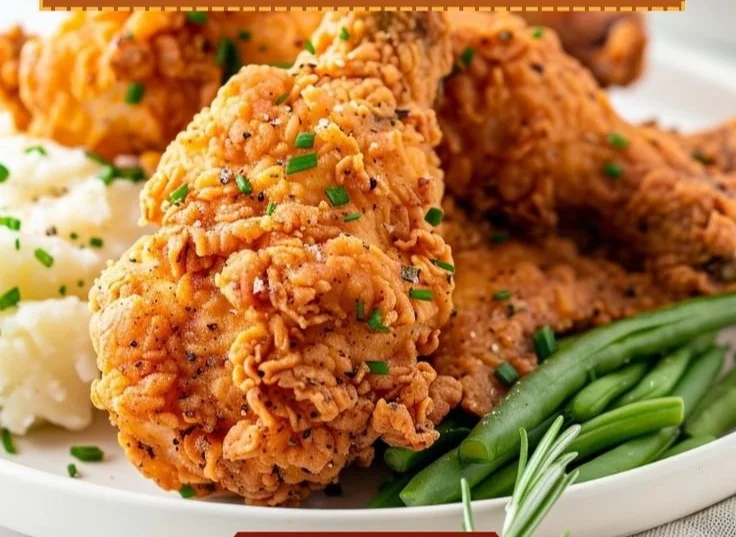
Pair the chicken with classic mashed potatoes and coleslaw for casual family dinners, or serve with pickles and buttered white bread at a weekend picnic. For occasions requiring something different, offer hot honey, tangy vinegar sauce, or a creamy ranch dip and pair with cold, crisp beers or iced tea for broad appeal.
Storage and Reheating
Store cooked chicken properly to preserve texture and food safety for subsequent meals of The Best Buttermilk Fried Chicken.
| Method | Duration | Instructions |
|---|---|---|
| Refrigeration | 3–4 days | Cool to room temperature then refrigerate in an airtight container; reheat in oven to retain crispness. |
| Freezing | Up to 3 months | Wrap pieces individually in plastic and foil, freeze flat, thaw in refrigerator before reheating for best texture. |
| Reheating (oven) | 15–20 minutes | Preheat oven to 375°F and re-crisp on a wire rack inside a baking sheet until heated through. |
| Reheating (air fryer) | 6–10 minutes | Reheat at 350°F in a single layer to revive crisp crust without drying meat. |
Nutritional Information
Approximate values are provided for one serving, based on four servings from the recipe for The Best Buttermilk Fried Chicken.
| Nutrient | Amount per Serving (Approximate values) |
|---|---|
| Calories | 620 kcal |
| Protein | 36 g |
| Total Fat | 36 g |
| Saturated Fat | 9 g |
| Carbohydrates | 34 g |
| Sodium | 920 mg |
| Fiber | 1.5 g |
| Sugar | 2 g |
Frequently Asked Questions
Can I substitute regular milk for buttermilk in fried chicken?
Yes, you can use regular milk with an acid to mimic buttermilk’s effect and tenderizing action on meat. Mix 2 cups of milk with 2 tablespoons of lemon juice or vinegar, let sit ten minutes until slightly thickened, then use as directed in the marinade. This substitute provides similar acidity though cultured buttermilk yields a slightly tangier flavor.
What internal temperature indicates the chicken is done?
The direct answer is that the chicken is done when the internal temperature reaches 170°F in the thickest portion near the bone. Use an instant-read thermometer to verify without touching bone for accuracy. Carryover cooking during a short rest will not badly overcook the meat at this temperature for thighs and legs.
Why is my crust soggy after frying and how do I fix it?
Your crust becomes soggy primarily from overcrowding the fryer or resting on absorbent surfaces that trap steam. Fry in small batches, keep oil temperature steady at 340°F, and rest chicken on a wire rack to let air circulate and maintain crispness. If necessary, finish briefly in a hot oven to re-crisp without additional frying.
Can I prepare the chicken ahead for a party?
Yes, you can marinate the chicken up to 24 hours ahead and refrigerate it until ready to dredge and fry. Alternatively, fry ahead and reheat in a 375°F oven or air fryer to revive crispness just before serving. For large events, maintain fried chicken in a warm oven on a wire rack to keep it crisp until plating.
How should I serve this fried chicken for a crowd?
Serve plated with classic sides like mashed potatoes and coleslaw for family meals and with rolls, pickles, and hot honey for crowd-friendly buffet service. Arrange on platters with sauces in small bowls for guests to customize heat and tang. For outdoor events, keep chicken in a single layer on racks over warm trays to preserve texture.
Conclusion
The Best Buttermilk Fried Chicken combines a tenderizing buttermilk soak with a seasoned, baking powder–boosted dredge to produce reliably crispy, juicy results. Follow temperature controls, marinate overnight when possible, and rest on a wire rack to preserve texture and flavor. These steps guarantee crisp skin and succulent meat that highlight the recipe’s signature flavor.
Buttermilk Fried Chicken
Ingredients
Chicken and Marinade
- 8 pieces Bone-in, skin-on chicken (thighs and legs preferred) Use similar-sized pieces for even cooking; dark meat stays juicier during frying.
- 2 cups Buttermilk Substitute 2 cups milk + 2 tbsp lemon juice or vinegar if needed; let sit 10 minutes.
Dredge Ingredients
- 2 cups All-purpose flour Use rice flour or a 50/50 mix of AP and cornstarch for an even crisper crust.
- 1.5 teaspoon Garlic powder (dredge) Adjust to taste; fresh garlic cannot be used dry but adds a different flavor profile if roasted first.
- 1.5 teaspoon Paprika (dredge) Use smoked paprika for a deeper, smoky note; sweet paprika keeps it mild.
- 1.5 teaspoon Onion powder Provides umami without moisture; onion flakes are a textural change and may burn while frying.
- 1.5 teaspoon Salt (dredge) Sea salt or kosher salt both work; if using kosher, adjust by volume if flaky.
- 1.5 teaspoon Dried thyme Substitute fresh thyme leaves, using three times the amount, added to the marinade rather than the flour.
- 1.5 teaspoon Dried basil Oregano works as an alternative, creating a Mediterranean twist on the seasoning.
- 1 teaspoon Salt (initial seasoning) Salt the chicken before buttermilk to draw flavor into the meat.
- 1 teaspoon Ground black pepper Freshly ground black pepper provides brighter spice than pre-ground pepper.
- 1 teaspoon Garlic powder (initial seasoning) Small addition to the initial rub intensifies garlic flavor through the meat.
- 1 teaspoon Dried mustard Powdered mustard adds tangy heat; Dijon in the marinade changes texture and increases moisture.
- 1 teaspoon Cayenne pepper Use less for mild heat; add more or hot paprika for greater spiciness.
- 1 tablespoon Baking powder Creates lift and crisping in the dredge; do not substitute baking soda directly.
- 0.5 teaspoon Paprika (initial seasoning) Smaller quantity for the initial rub to enhance color without overpowering the marinade.
Frying
- 4 cups Vegetable oil Peanut oil or canola are good alternatives for high smoke point and neutral flavor.
Instructions
Marinating
- Place the chicken pieces in a large bowl and season with the initial salt, pepper, garlic powder, dried mustard, and paprika.
- Mix the chicken and seasonings well to ensure even coating over every piece of meat.
- Pour the buttermilk over the seasoned chicken and stir to combine until each piece is thoroughly coated.
- Refrigerate the marinated chicken for at least 1 hour, and for best results let it marinate overnight for deeper tenderness.
Dredging
- Whisk together the flour, baking powder, salt, garlic powder, paprika, dried basil, dried thyme, onion powder, and cayenne in a shallow dish.
- Set the dredge dish beside the marinated chicken and prepare a wire rack set over a sheet pan for draining and resting after frying.
- Remove one piece of chicken from the marinade, letting excess buttermilk drip off before dredging in the seasoned flour.
- Press the chicken into the flour mixture to form an even, thorough coating, shaking off surplus but not removing major clumps.
Frying
- Heat vegetable oil in a deep fryer or large heavy pot to around 340°F, using a candy thermometer to maintain a consistent temperature.
- Carefully place four or five pieces of chicken into the hot oil at a time; avoid overcrowding which drops oil temperature and makes crust soggy.
- Turn chicken pieces as needed for even browning and fry until they are golden brown and cooked through, about 15 minutes per piece.
- Verify the internal temperature reaches 170°F using an instant-read thermometer inserted into the thickest part without touching bone.
- Transfer fried chicken to a wire rack to drain, allowing air circulation to keep the crust crisp while resting briefly before serving.