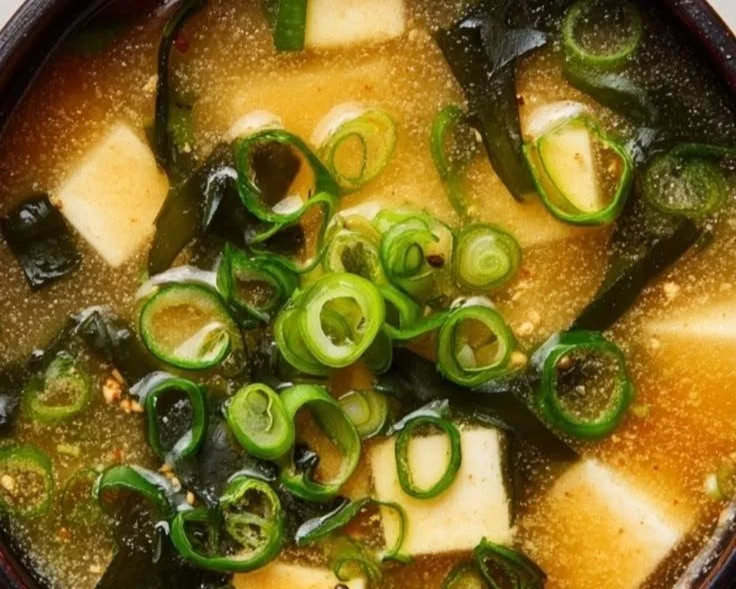
Authentic Japanese Miso Soup
Authentic Japanese miso soup is a traditional dish known for its rich umami flavor and comforting warmth. Made with simple ingredients like dashi broth and miso paste, this soup is both nourishing and delicious. It’s a staple in many Japanese households and can be customized to suit your taste. You may also find Authentic Puerto Rican Guava Pastries useful.
| Prep Time | 10 minutes |
|---|---|
| Cook Time | 15 minutes |
| Total Time | 25 minutes |
| Servings | 4 |
| Difficulty | Easy |
| Cuisine | Japanese |
Why This Recipe Works
This authentic Japanese miso soup stands out because of the quality of ingredients used. When I first learned to make this dish, the fresh dashi broth profoundly affected the end flavor, elevating the miso’s savory notes. Dashi, made from kombu (sea kelp) and bonito flakes, creates a deeply flavorful base that enhances the soup’s umami profile.
The flexibility of this recipe allows for variations based on personal preference. I’ve often added seasonal vegetables or different types of mushrooms to make it heartier. This adaptability is what makes miso soup a favorite among many, whether enjoyed as an appetizer or a comforting main dish suitable for any meal, similar to how one might enjoy authentic Irish potato farls for breakfast.
Ingredients
| Ingredient | Quantity | Notes |
|---|---|---|
| Dashi broth | 4 cups | Can be homemade or store-bought. |
| Miso paste | 3 tablespoons | White or red miso works well. |
| Tofu | 1 cup, cubed | Firm tofu or silken tofu can be used. |
| Green onions | 1/2 cup, chopped | Freshly chopped for garnish. |
| Seaweed (wakame) | 1/2 cup, rehydrated | Enhances the soup’s flavor and provides texture. |
| Mushrooms or added vegetables (optional) | As desired | Feel free to experiment! |

Step-by-Step Instructions
- Bring the dashi broth to a simmer in a pot over medium heat.
- Whisk the miso paste with a little warm dashi in a small bowl until smooth and dissolved.
- Add the dissolved miso back into the pot and stir well to combine.
- Gently add the cubed tofu and rehydrated seaweed into the pot.
- Let it simmer for a few minutes until the tofu is heated through.
- Serve hot, garnished with chopped green onions.
Chef Tips for Perfect Results
- Use quality dashi to ensure a deep, rich flavor profile.
- Adjust the amount of miso paste based on your taste preference, but start with the recipe’s suggestion.
- If using silken tofu, handle it gently to avoid crumbling.
- Soak the wakame seaweed in water for about 10 minutes before adding it to the soup for the best texture.
- For added flavor, consider incorporating sliced shiitake mushrooms or fresh vegetables such as spinach.
Common Mistakes to Avoid
- Overheating the Miso: Heating miso at high temperatures can cause it to lose its flavor. Always add it to the soup once it has simmered, reducing the heat.
- Using the Wrong Miso: Different varieties of miso have distinct flavors. Ensure you select one that complements your dish.
- Skimping on Dashi: A poor-quality dashi will make the soup flat and tasteless. Invest in good dashi to enhance your miso soup.
- Ignoring Tofu Preparation: Not draining or pressing tofu can lead to a watery soup. Properly prepare your tofu before adding it.
- Rushing the Process: Give the soup time to simmer for the flavors to meld. Quick cooking leads to a less satisfying outcome.
Variations and Substitutions
| Ingredient | Substitution | Impact on Flavor |
|---|---|---|
| Dashi broth | Vegetable broth | Less umami, but it’s a vegetarian option. |
| Miso paste | Other fermented pastes (like tahini) | Different flavor profile; not a direct replacement. |
| Tofu | Tempeh | More nutty flavor and firm texture. |
| Seaweed | Spinach or kale | Different texture and less oceanic flavor. |
Serving Suggestions and Pairings
This authentic Japanese miso soup makes a perfect appetizer for a Japanese dinner. Pair it with dishes like sushi or a bento box for a full experience. It also pairs wonderfully with sides like Blackstone Philly Cheesesteak for a hearty meal.
Storage and Reheating
| Method | Duration | Instructions |
|---|---|---|
| Refrigeration | 3-5 days | Store in an airtight container. Reheat gently. |
| Freezing | 1-2 months | May alter the texture of tofu and seaweed; thaw in refrigerator before reheating. |
Nutritional Information
| Nutrient | Amount per Serving |
|---|---|
| Calories | 100 |
| Protein | 8g |
| Fat | 5g |
| Carbohydrates | 9g |
| Sodium | 700mg |
Approximate values.
Frequently Asked Questions
Can I substitute the miso paste?
Yes, you can use other fermented pastes like tahini, though the flavor will not be identical to traditional miso.
How do I know when the miso soup is done?
The soup is done once it simmers and the tofu is heated through; avoid boiling after adding miso.
Can I make this soup ahead of time?
Yes, miso soup can be made ahead and stored in the refrigerator for up to five days, but it’s best enjoyed fresh.
What vegetables work best in miso soup?
Common options include spinach, mushrooms, and carrots, each adding flavor and nutrients to the soup.
How should I serve miso soup?
Miso soup can be served as an appetizer or a light main dish and pairs beautifully with rice and various Japanese meats or fish.
In conclusion, authentic Japanese miso soup is an integral part of Japanese cuisine, providing comfort with its unique flavors and heartiness. With simple ingredients and versatile variations, it offers a savory taste that will leave you satisfied and happy. Enjoy your cooking journey!