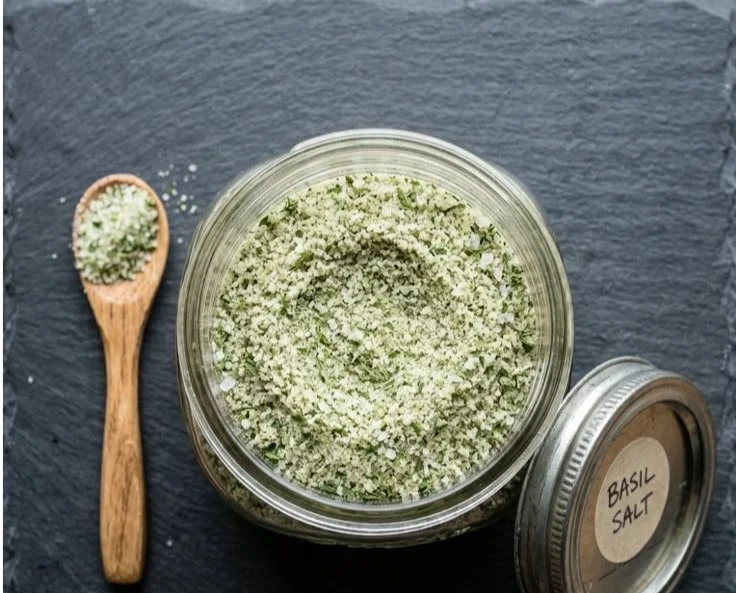
Basil salt is a versatile seasoning made by drying fresh basil leaves and combining them with sea salt. This flavorful mixture enhances a variety of dishes, including meats, vegetables, and even popcorn. By following the simple steps in this guide, you’ll create your own basil salt that can elevate your culinary creations. You may also find Easy Cinnamon Sugar Pretzels Salted Caramel Dip 2 useful.
| Prep Time | Cook Time | Total Time | Servings | Difficulty | Cuisine |
|---|---|---|---|---|---|
| 10 minutes | 1-2 hours | 1-2 hours 10 minutes | Varies | Easy | Italian |
Why This Recipe Works
Creating basil salt is an excellent way to make the most of fresh basil leaves, especially when you have an abundance. The low heat in the oven gently dries the basil while infusing the sea salt with its vibrant flavor. From my own experience, this recipe not only preserves the fresh herb’s taste but also extends its shelf life significantly, making it a go-to condiment in my kitchen. You may also find Easy Cinnamon Sugar Pretzels Salted Caramel Dip useful.
The process of making basil salt is straightforward, allowing both seasoned cooks and novices to enjoy its benefits. By finely chopping the basil and thoroughly mixing it with sea salt, you ensure an even flavor distribution. The result is a beautifully fragrant seasoning that can be used in numerous dishes, adding depth and enhancing flavor profiles.
Ingredients
| Ingredient | Quantity | Notes |
|---|---|---|
| Fresh basil leaves | 2 cups | Use only the leaves, discard stems. You can also mix basil with other herbs. |
| Sea salt | 1 cup | Coarse sea salt works best. You can substitute with kosher salt if necessary. |
Step-by-Step Instructions
Preheat the oven
Preheat your oven to 200°F (93°C) to create a gentle drying environment for the basil.
Prepare the basil
Rinse and dry the fresh basil leaves thoroughly to remove any dirt or pesticides.
Chop and mix
Chop the leaves finely and mix them with the sea salt in a bowl until evenly combined.
Spread on baking sheet
Spread the mixture evenly on a baking sheet to ensure even drying.
Dry in oven
Dry in the preheated oven for about 1-2 hours, stirring occasionally until the basil is completely dry.
Cool and store
Let the basil salt cool and store it in an airtight container to maintain its flavor.
Chef Tips for Perfect Results
- Use fresh basil for the best flavor; dried basil won’t provide the same taste.
- Stir the mixture occasionally while drying to ensure that it dries evenly without clumping.
- Consider using a food processor for a finer mix if you prefer a smoother texture.
- Experiment with adding other herbs to the salt, such as thyme or rosemary, for unique flavor combinations.
- Store your basil salt in a cool, dark place to preserve its bright color and flavor.
Common Mistakes to Avoid
- Not drying sufficiently: Ensure the basil is completely dry to prevent mold growth in storage.
- Using too high of a temperature: Drying at a higher temperature can burn the basil and alter the flavor.
- Not chopping finely enough: If the basil isn’t chopped finely, it may not combine well with the salt, leading to inconsistency in flavor.
- Storing in a clear container: A clear container can expose the salt to light, degrading its flavor over time.
Variations and Substitutions
| Ingredient | Substitution | Impact on Flavor |
|---|---|---|
| Fresh basil leaves | Oregano or thyme | Will provide a different herbaceous flavor profile, though unique. |
| Sea salt | Pink Himalayan salt | Adds a slightly different mineral taste but works well in seasoning. |
Serving Suggestions and Pairings
Basil salt pairs beautifully with grilled or roasted meats like chicken and pork. It’s also excellent sprinkled over fresh salads, pasta dishes, or even popcorn for a unique twist. You can use it as a finishing touch on vegetables or in sauces for an extra burst of flavor.
Storage and Reheating
| Method | Duration | Instructions |
|---|---|---|
| Airtight container | Up to 6 months | Store in a cool, dark place to prolong freshness. |
| Refrigerator | Up to 1 year | For extended freshness, refrigeration can help to prevent clumping. |
Nutritional Information
| Nutrient | Amount per Serving |
|---|---|
| Sodium | 300 mg |
| Carbohydrates | 0 g |
| Calories | 0 kcal |
Approximate values.
Frequently Asked Questions
Can I substitute dried basil for fresh basil in this recipe?
You cannot use dried basil, as it won’t provide the same vibrant flavor and will not achieve the same consistency when mixed with salt.
How can I tell if the basil salt is dry enough?
The basil should feel crispy and break apart easily when rubbed between your fingers. It should not feel damp or sticky.
What should I do if my basil salt clumps together?
If clumping occurs, consider adding a bit more sea salt to the mixture, which can help absorb any moisture.
Can I make this ahead of time?
Yes, basil salt can be made ahead of time and stored for several months, allowing you to have a flavorful seasoning ready when you need it.
How can I use basil salt in my cooking?
Basil salt can enhance a variety of dishes, such as grilled vegetables, pizzas, and salads, providing a unique flavor boost.
Conclusion
Making your own basil salt is a simple yet rewarding process that adds a fresh herbal touch to your cooking. Not only does it preserve the flavor of basil, but it also opens up possibilities for enhancing your meals. For more innovative ways to use basil, consider checking out this Basil Salt Recipe, or learn about other culinary applications through this guide on How to Make Basil Salt. Create your own blend today and take your dishes to new flavorful heights!